


Recovering from surgery can be challenging at any age, but elderly patients often need more time, supervision, and practical support before they can safely return to their normal routine.
After surgery, an older adult may experience weakness, pain, reduced mobility, poor appetite, difficulty bathing or dressing, fear of falling, or a temporary loss of independence. Some may also require wound care, medication support, physiotherapy, mobility assistance, and regular medical follow-up.
For families, managing all of these responsibilities at home can be difficult, particularly when caregivers are working, living far away, or unable to provide assistance throughout the day.
This is where post-surgery rehabilitation for elderly patients in Sri Lanka can be helpful. A structured recovery environment can provide accommodation, meals, personal care, mobility assistance, nursing support, and access to rehabilitation services according to the individual’s medical needs.
For families looking for an elderly care home in Kurunegala, rehabilitation support, or professional care after hospital discharge, Triple Care Senior Residence & Rehabilitation Center in Kurunegala, Sri Lanka provides residential elderly care and recovery support based on individual requirements.
Why Elderly Patients May Need More Support After Surgery
Surgery can temporarily reduce a person’s strength and independence.
An elderly person who was previously able to walk, bathe, dress, and prepare meals independently may need assistance during the recovery period.
Common challenges after surgery may include:
- Pain or discomfort
- Reduced strength
- Difficulty standing or walking
- Fatigue
- Reduced appetite
- Difficulty sleeping
- Fear of falling
- Difficulty using the bathroom independently
- Temporary dependence on walking aids
- Difficulty managing medication
- Wound-care requirements
- Reduced confidence
The type and duration of support required depends on the surgery, the person’s overall health, mobility before surgery, and the instructions provided by their healthcare team.
What Is Post-Surgery Rehabilitation?
Post-surgery rehabilitation refers to the support and therapy provided to help a patient regain function, mobility, strength, confidence, and independence following an operation.
Rehabilitation may begin in the hospital and continue after discharge.
Depending on the patient’s condition, a rehabilitation plan may include:
- භෞත චිකිත්සාව
- Walking practice
- Strengthening exercises
- Balance exercises
- Mobility assistance
- Personal-care assistance
- Wound-care support
- Medication management support
- Nutrition and hydration
- Follow-up medical appointments
- Assistance with daily activities
Rehabilitation should always follow the recommendations of qualified healthcare professionals.
Why Post-Surgery Rehabilitation Is Important for Elderly Patients
Older adults can lose strength and mobility quickly when they spend long periods in bed or reduce their physical activity.
This is one reason early and appropriate movement, when medically permitted, can form an important part of recovery.
A structured rehabilitation plan can help support:
- Safe movement
- Gradual return to daily activities
- Better confidence when walking
- Improved balance
- Maintaining or rebuilding strength
- Safer use of mobility aids
- Greater independence
However, rehabilitation should not be rushed. The amount of activity should be based on the person’s medical condition and professional advice.
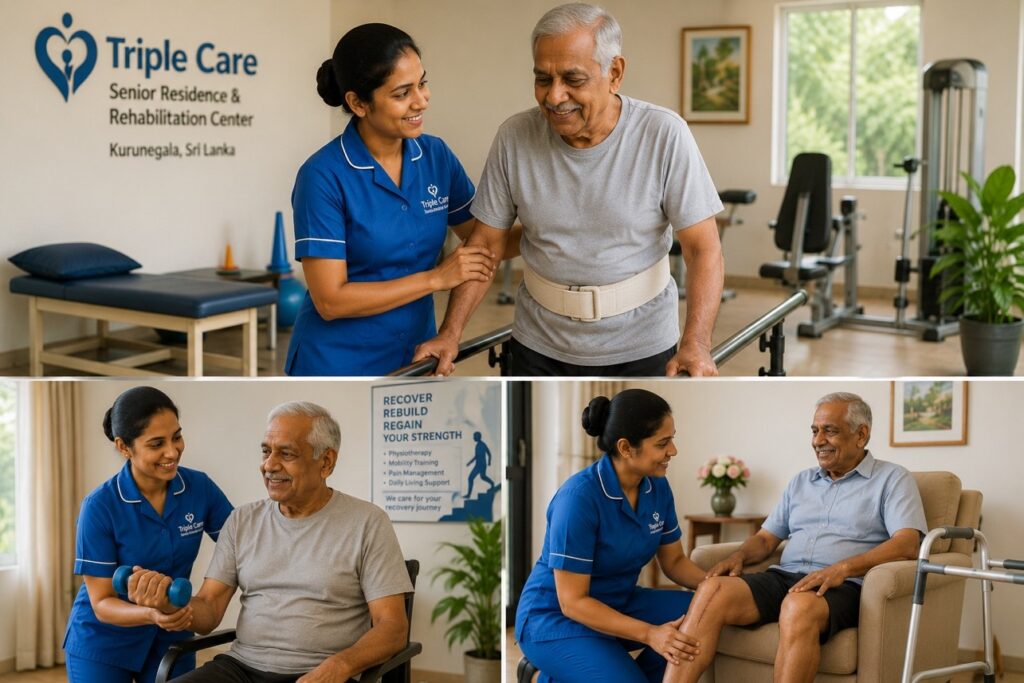
Physiotherapy After Surgery
Physiotherapy can play an important role in post-operative recovery for some elderly patients.
A physiotherapist may assess the person’s mobility and provide exercises suitable for their condition.
Depending on the type of surgery and professional assessment, physiotherapy may focus on:
Walking and Mobility
Patients may need assistance learning how to move safely using:
- Walking frames
- Walking sticks
- Crutches
- Other mobility aids
Strength and Balance
Reduced activity can contribute to weakness. Appropriate exercises may help support leg strength, balance, and confidence.
Movement and Flexibility
Some patients may be advised to perform gentle movements to maintain or gradually improve mobility.
Returning to Daily Activities
Rehabilitation may also focus on practical activities such as:
- Getting in and out of bed
- Sitting and standing safely
- Walking to the bathroom
- Moving around a room
- Managing stairs, where appropriate
Families looking for elderly physiotherapy services or a rehabilitation center in Kurunegala should discuss the patient’s specific surgical history and mobility restrictions before beginning rehabilitation.
Preventing Falls During Recovery
Falls are an important concern during elderly post-surgery recovery.
Pain, weakness, dizziness, unfamiliar walking aids, medications, and reduced balance can all increase the risk of falling.
A safer recovery environment should consider:
- Clear walking areas
- Adequate lighting
- Appropriate footwear
- Handrails where necessary
- Assistance when getting out of bed
- Safe bathroom access
- Correct use of walking aids
- Supervision when required
An elderly patient should not be encouraged to walk independently if their healthcare team has advised that assistance is necessary.
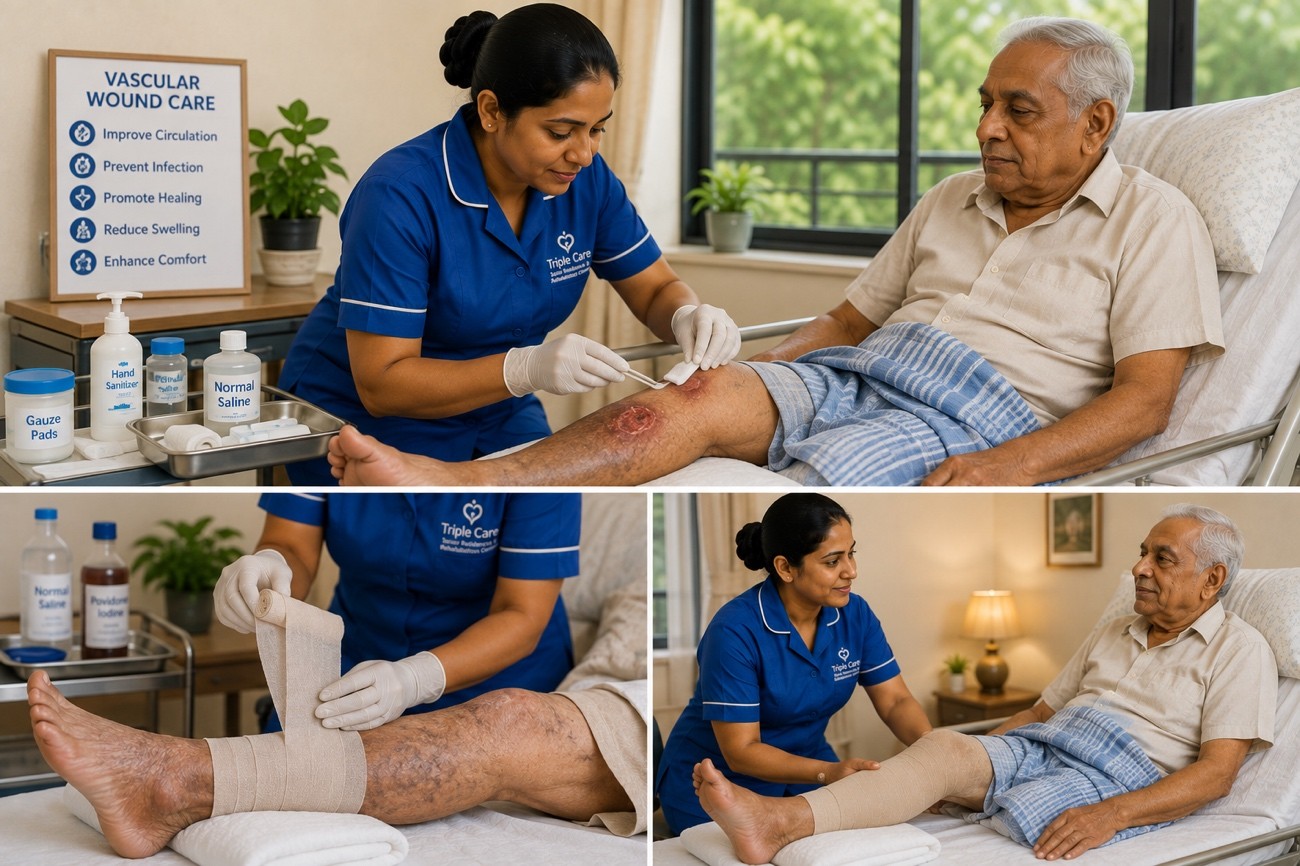
Wound Care After Surgery
Some elderly patients need ongoing wound care after leaving hospital.
Wound-care instructions may differ depending on the operation and type of wound.
Caregivers should follow the instructions given by the surgeon, doctor, or nursing team.
General support may include:
- Keeping the wound area clean and protected as instructed
- Protecting dressings
- Avoiding unnecessary interference with the wound
- Observing for visible changes
- Attending scheduled dressing changes
- Arranging medical review when concerns arise
Possible signs that should be assessed by an appropriate healthcare professional include increasing redness, swelling, discharge, worsening pain, fever, or changes in the wound.
Caregivers should not attempt to independently diagnose or treat post-surgical complications.
Medication Support After Surgery
Elderly patients may be prescribed several medications after surgery.
Depending on the procedure, these could include pain medication or other medicines related to the patient’s medical condition.
The patient should follow the medication instructions provided by the healthcare team.
Caregivers can support this by:
- Maintaining medication records
- Reminding the resident about medication times
- Helping organise the prescribed routine
- Observing whether medications are being taken as instructed
- Reporting concerns appropriately
Medication doses or schedules should not be changed without professional medical advice.
Nutrition During Recovery
Good nutrition can be an important part of recovery.
Elderly patients may have a reduced appetite after surgery and may therefore require encouragement or assistance during meals.
A balanced diet should take account of:
- The patient’s medical condition
- Dietary instructions
- Appetite
- Ability to chew or swallow
- Food preferences
- Weight
- Hydration needs
Adequate protein and overall nutrition may form part of a patient’s recovery plan, but specific dietary requirements should be discussed with appropriate healthcare professionals.
An elderly care home with meals and accommodation can make it easier to maintain regular meal times during recovery.
Supporting Personal Hygiene and Daily Activities
After surgery, activities that once seemed simple may become difficult.
An elderly patient may temporarily need help with:
- Bathing
- Dressing
- Toileting
- Grooming
- Getting in and out of bed
- Walking
- Eating
- Changing clothes
- Reaching the bathroom safely
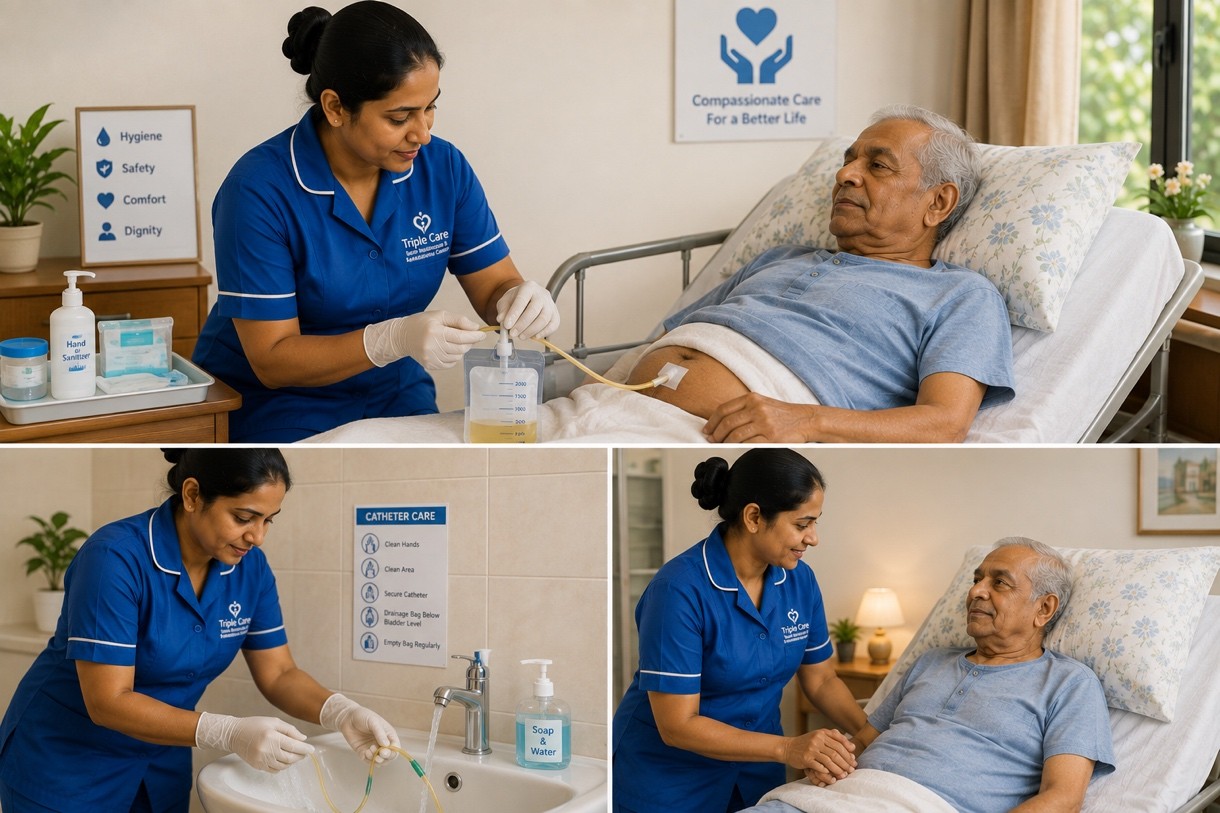
Providing appropriate assistance can help reduce unnecessary strain while allowing the person to remain as independent as safely possible.
Emotional Support During Recovery
Post-surgery rehabilitation is not only physical.
Older adults may feel frustrated, anxious, lonely, or discouraged when they temporarily lose independence.
Some may worry that they will never return to their previous level of mobility.
Family members and caregivers can help by:
- Speaking calmly and positively
- Setting realistic expectations
- Encouraging participation in rehabilitation
- Recognising small improvements
- Visiting regularly
- Helping maintain familiar routines
Recovery times vary considerably, so comparisons with other patients should be avoided.
Which Elderly Patients May Benefit from Post-Surgery Residential Care?
Some elderly people can recover safely at home with family support. Others may benefit from temporary residential care.
This may be considered when the patient:
- Lives alone
- Needs frequent assistance
- Cannot safely use the bathroom independently
- Requires mobility support
- Needs physiotherapy
- Has wound-care requirements
- Requires help with medications
- Is weak after hospital discharge
- Has a high fall risk
- Has dementia or memory problems
- Does not have a full-time caregiver at home
Short-term elderly care in Sri Lanka may therefore provide a useful transition between hospital and home for some families.
Post-Surgery Care for Elderly Patients with Diabetes
Patients with diabetes may require additional attention during recovery.
Their healthcare team may provide specific guidance regarding:
- Blood glucose management
- Medication
- Diet
- Wound observation
- Follow-up care
Families should provide the rehabilitation facility with complete information about the patient’s diabetes treatment and other medical conditions.
Any concerns about blood glucose or wound healing should be referred to appropriate healthcare professionals.
Post-Surgery Care for Elderly Patients with Dementia
Surgery and an unfamiliar environment can be particularly challenging for elderly people with dementia or memory problems.
They may have difficulty:
- Remembering mobility restrictions
- Remembering medication
- Understanding why they are in a new environment
- Using walking aids safely
- Following rehabilitation instructions
These residents may benefit from more structured supervision, calm communication, and consistent routines.
Families searching for dementia care in Kurunegala together with rehabilitation should discuss both needs before admission.
How Professional Senior Care Can Help Families After Surgery
Families often become the main caregivers immediately after hospital discharge.
This can involve coordinating:
- Meals
- Medication
- Bathing
- Toileting
- Walking
- භෞත චිකිත්සාව
- Medical appointments
- Wound care
- Laundry
- Safety supervision
For some families, professional senior care in Sri Lanka can reduce this practical burden while providing the elderly person with a structured recovery environment.
Professional elderly care does not replace the surgeon, doctor, physiotherapist, or other healthcare professionals.
Instead, it can help the elderly person follow their prescribed recovery plan in everyday life.
Choosing a Post-Surgery Rehabilitation Center in Sri Lanka
When selecting a rehabilitation or elderly care home in Sri Lanka, families should first understand the patient’s medical requirements.
Ask the facility:
- Can you support elderly patients after surgery?
- Is mobility assistance available?
- Can physiotherapy be arranged?
- How are medications managed?
- Can wound-care instructions be followed?
- What happens if the patient’s condition changes?
- Is medical review available?
- What accommodation is provided?
- Are meals included?
- Is personal-care assistance available?
- How do you communicate with families?
A safe elderly care home in Kurunegala should also discuss whether the patient’s care requirements are suitable for the services it can provide.
Post-Surgery Rehabilitation at Triple Care Senior Residence & Rehabilitation Center
Triple Care Senior Residence & Rehabilitation Center in Kurunegala, Sri Lanka provides residential elderly care and rehabilitation support for families looking for assistance after hospital discharge.
Relevant services and facilities include:
- Shared, single, and air-conditioned room options
- Three main meals and two tea servings each day
- Nursing attendants available to support residents
- Assistance with bathing and personal hygiene
- Mobility assistance
- Support with prescribed medication routines
- Laundry and ironing services
- Weekly opportunities for medical review
- Access to external medical treatment when required
- Access to physiotherapy when required
- Support for elderly residents following illness, stroke, or surgery
- Additional assistance based on individual needs
Before admission, families should provide information regarding the type of surgery, hospital discharge instructions, medications, wound-care requirements, mobility restrictions, medical conditions, dietary instructions, and follow-up appointments.
This helps the care team understand the patient’s individual requirements.
Short-Term Rehabilitation Before Returning Home
Not every elderly patient requires long-term residential care.
For some families, short-term elderly care in Sri Lanka may be appropriate during the initial recovery period.
Once the patient becomes stronger and more independent, they may be able to return home depending on medical advice and their home situation.
Other patients may require long-term elderly care in Sri Lanka if surgery has resulted in lasting changes to mobility or independence.
The appropriate care arrangement should be reviewed according to the person’s progress and needs.
Finding Post-Surgery Rehabilitation in Kurunegala, Sri Lanka
A successful recovery after surgery is not simply about leaving the hospital.
For elderly patients, returning safely to daily life may require appropriate rehabilitation, nursing assistance, nutrition, personal care, mobility support, family involvement, and regular medical follow-up.
Families looking for post-surgery rehabilitation for elderly patients in Sri Lanka should consider the person’s complete recovery needs rather than accommodation alone.
Triple Care Senior Residence & Rehabilitation Center in Kurunegala provides residential elderly care and rehabilitation support for families seeking a structured recovery environment after surgery or hospitalisation.
Contact Triple Care
If your mother, father, or another elderly family member is preparing to leave hospital after surgery and requires additional assistance, contact Triple Care Senior Residence & Rehabilitation Center to discuss their individual care and rehabilitation needs.
You are welcome to enquire about short-term accommodation, nursing assistance, physiotherapy access, meals, personal care, and post-surgery elderly care or arrange a visit to our residence in Kurunegala.
Important: This article provides general educational information only. Post-surgical rehabilitation, wound care, medication, exercise, mobility restrictions, and medical treatment should follow the advice of the patient’s qualified healthcare professionals.
නිතර අසන ප්රශ්න
1. How long does an elderly person need rehabilitation after surgery?
The recovery period varies depending on the type of surgery, age, health, mobility, complications, and level of independence before surgery. The patient’s doctor and rehabilitation professionals should guide the expected recovery period.
2. Can an elderly patient stay in a care home temporarily after surgery?
Yes, depending on their medical and care requirements and the facility’s services. Short-term elderly care can provide accommodation, meals, personal assistance, mobility support, and access to rehabilitation during recovery.
3. Is physiotherapy important after surgery for elderly patients?
Physiotherapy may be recommended after certain surgeries to support safe mobility, strength, balance, and return to daily activities. It should follow professional assessment and medical instructions.
4. What should I look for in a post-surgery elderly care home?
Look for safe accommodation, caregiver support, nursing assistance, mobility help, appropriate meals, physiotherapy access, healthcare coordination, clear family communication, and the ability to follow hospital discharge instructions.
5. Is post-surgery rehabilitation available for elderly patients in Kurunegala?
Facilities in Kurunegala may provide different levels of elderly care and rehabilitation support. Families should ask specifically about physiotherapy, nursing support, mobility assistance, wound-care arrangements, accommodation, and medical access.