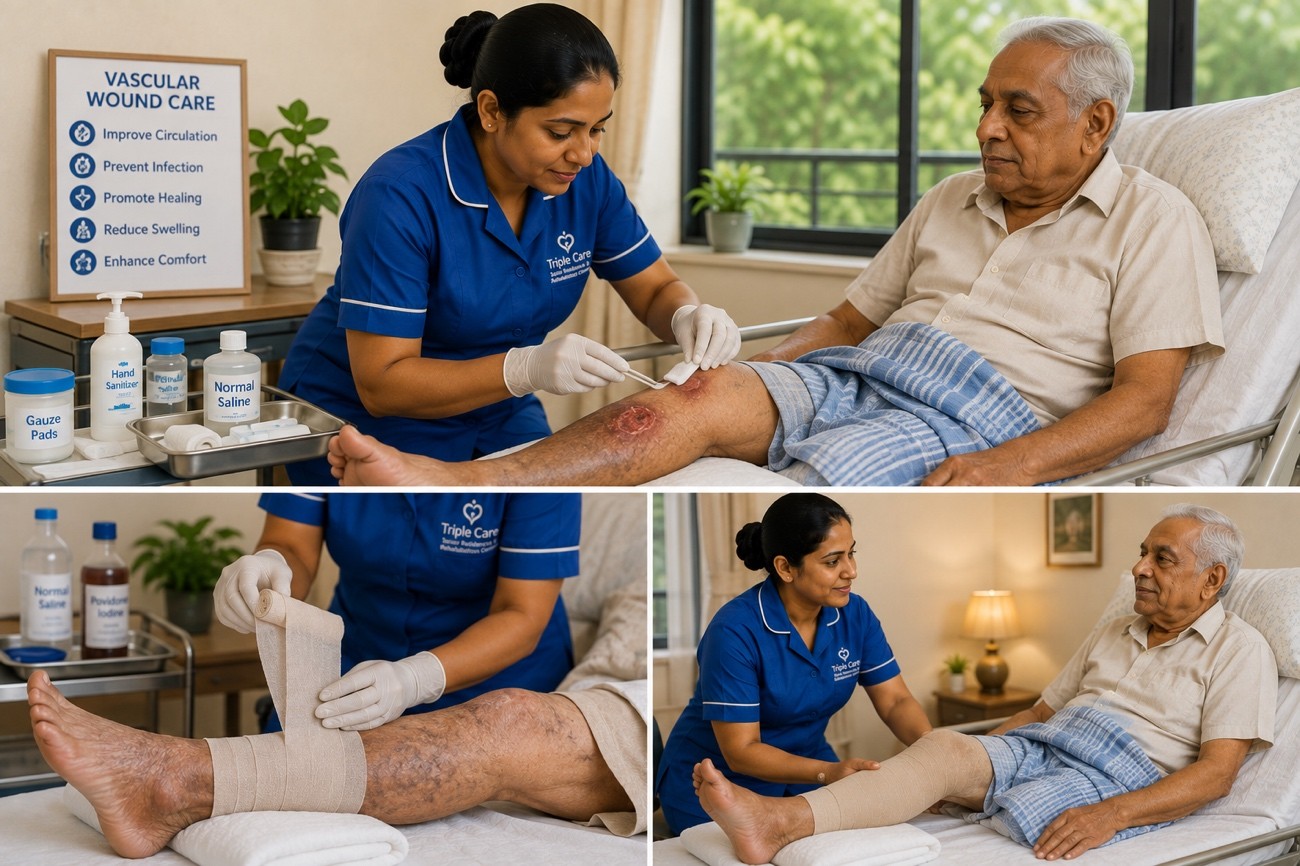



Wounds can become a serious concern for elderly people, particularly those with diabetes, poor mobility, fragile skin, circulation problems, or long periods of bed rest. Even a small cut, skin tear, pressure injury, or surgical wound may require careful monitoring and appropriate treatment.
For families, caring for an elderly parent with a wound can also be challenging. They may need to manage dressings, personal hygiene, nutrition, medication, mobility, medical appointments, and the prevention of further skin damage while continuing with everyday responsibilities.
Understanding the basics of wound care for elderly patients in Sri Lanka can help families recognise problems early and know when professional medical attention is required.
For families looking for elderly nursing care in Kurunegala, residential care may also provide additional daily support when an older person has limited mobility or needs assistance with hygiene, nutrition, medication routines, and other activities.
Triple Care Senior Residence & Rehabilitation Center in Kurunegala, Sri Lanka provides residential elderly care and daily assistance for senior citizens with different levels of care requirements.
As people age, their skin can become thinner, drier, and more fragile. Some elderly people also have health conditions that can affect circulation, mobility, sensation, nutrition, or their ability to care for their own skin.
Common risk factors include:
- Diabetes
- Reduced mobility
- Being bedridden
- Poor circulation
- Fragile or dry skin
- Previous surgery
- Falls and injuries
- Reduced sensation
- Incontinence
- Poor nutritional intake
- Chronic health conditions
This means wound prevention and early identification are particularly important in elderly care.
Not every wound is the same, and treatment depends on the cause, location, depth, severity, and the person’s overall health.
Pressure sores, also called pressure ulcers or bed sores, can develop when an area of skin is exposed to prolonged pressure.
They are particularly important for elderly people who:
- Spend long periods in bed
- Use a wheelchair
- Cannot reposition themselves
- Have reduced sensation
- Have significant mobility limitations
Common areas include the heels, hips, tailbone, elbows, ankles, and back.
People with diabetes can develop wounds, particularly on their feet.
Reduced sensation may mean that a small injury is not immediately noticed. Diabetes may also complicate wound healing in some people.
Elderly people with diabetes should therefore pay particular attention to foot and skin care and follow their healthcare professional’s advice.
An elderly person returning home or entering a care facility after surgery may have a surgical incision requiring monitoring and dressing according to hospital instructions.
Families and caregivers should follow the discharge instructions provided by the surgical or medical team.
Older skin can be fragile. Minor contact with furniture, clothing, transfers, or medical equipment can sometimes cause a skin tear.
Gentle handling during bathing, dressing, repositioning, and transfers can help reduce unnecessary skin trauma.
Some wounds are associated with circulation problems affecting the legs and feet.
These require appropriate medical assessment because management depends on the underlying circulation problem.
Families and caregivers should monitor wounds carefully.
Changes that may require professional medical assessment include:
- Increasing redness
- Swelling
- Increasing pain
- Warmth around the wound
- Pus or unusual discharge
- Unpleasant odour
- Bleeding
- Wound becoming larger or deeper
- Dark or blackened tissue
- Fever or feeling generally unwell
- A wound that is not improving as expected
A significant change in a wound should not simply be treated at home without understanding the cause.
Older people with diabetes, circulation problems, weakened immunity, or other serious medical conditions may require particularly careful medical follow-up.
Good wound care begins before a wound develops.
Daily elderly care should include attention to the skin, mobility, nutrition, hygiene, and the person’s overall health.
For people at increased risk, regular skin observation can help identify problems early.
Pay particular attention to:
- Heels
- Feet
- Ankles
- Hips
- Elbows
- Tailbone
- Back
- Areas exposed to moisture
- Areas touching medical devices
Look for redness, changes in skin colour, swelling, blisters, cuts, tears, or broken skin.
For people with diabetes, foot checks may be particularly important.
Good personal hygiene is important for skin health.
Caregivers may need to assist with:
- Bathing
- Bed bathing
- Continence care
- Changing diapers
- Changing clothing
- Changing bed linen
Skin should be cleaned gently and dried appropriately.
Prolonged exposure to urine, stool, sweat, or other moisture can contribute to skin irritation and damage.
A person who cannot change position independently may experience prolonged pressure on certain parts of the body.
A repositioning plan can help reduce pressure.
The frequency and method of repositioning should depend on the person’s condition and professional recommendations.
Pressure-relieving mattresses, cushions, heel protectors, or other equipment may also be recommended for some patients.
Where medically appropriate, movement can help reduce the amount of time spent in one position.
Depending on the patient’s condition, support may include:
- Sitting out of bed
- Assisted walking
- Bed mobility
- Transfer assistance
- Physiotherapy
- Gentle exercises
The safest level of activity should be determined according to the person’s medical and physical condition.
Nutrition is an important part of maintaining skin health and supporting the body’s normal healing processes.
Older people may experience:
- Poor appetite
- Difficulty chewing
- Difficulty swallowing
- Weight loss
- Reduced food intake
Meals should follow any dietary recommendations provided by healthcare professionals.
A balanced diet containing appropriate protein, vitamins, minerals, and energy is generally important, although individual dietary requirements vary.
Patients with diabetes, kidney disease, heart conditions, or other illnesses may need specific dietary plans.
Adequate hydration is also important for general health.
Elderly people who depend on others for drinks may need regular assistance.
However, people with certain heart or kidney conditions may have medically prescribed fluid restrictions, which should always be followed.
Once a wound develops, care should be based on the type and severity of the wound and instructions from an appropriate healthcare professional.
Daily support may involve:
- Keeping the wound dressing protected
- Changing dressings according to professional instructions
- Maintaining personal hygiene
- Monitoring the wound
- Avoiding unnecessary pressure on the area
- Supporting nutrition and hydration
- Following prescribed medication
- Attending medical appointments
- Recording significant changes
Families should avoid using random creams, powders, oils, herbal products, antiseptics, or home remedies on an open wound without suitable professional advice.
Different wounds require different treatments.
Wound dressings may help protect the wound and support an appropriate healing environment.
The type of dressing and frequency of changing it depend on the wound.
When dressing changes are required, appropriate hygiene is essential.
Caregivers should follow the instructions provided by doctors, nurses, wound-care professionals, or the hospital.
If a dressing becomes heavily wet, soiled, displaced, or contaminated, appropriate advice should be sought rather than leaving the wound unprotected.
Pressure sores deserve particular attention in residential elderly care because residents with limited mobility may be at increased risk.
Prevention may involve:
- Regular skin checks
- Appropriate repositioning
- Pressure relief
- Clean and dry skin
- Continence care
- Suitable nutrition
- Appropriate mattresses or cushions
- Mobility where possible
If a pressure sore develops, the severity should be appropriately assessed.
Deep, infected, worsening, or complicated pressure sores require professional healthcare management.
Diabetes requires additional attention because foot wounds or other injuries may sometimes become complicated.
Elderly people with diabetes should be encouraged to:
- Check their feet regularly
- Wear appropriate footwear
- Avoid walking barefoot where injury is possible
- Report cuts, blisters, or sores
- Follow their diabetes treatment plan
- Attend recommended medical reviews
A diabetic foot wound should not be ignored simply because it is small or painless.
Bedridden patients may require additional support because they cannot independently inspect their skin or reposition themselves.
Daily care may include:
- Skin checks
- Repositioning
- Pressure relief
- Hygiene
- Continence care
- Nutrition
- Hydration
- Wound monitoring
- Dressing support according to medical instructions
Families searching for bedridden patient care in Sri Lanka should specifically ask a care provider how they manage pressure-sore prevention and existing wounds.
An elderly person recovering after surgery may require temporary additional care.
Support can include:
- Following hospital discharge instructions
- Monitoring the surgical area
- Medication support
- Personal hygiene
- Mobility assistance
- Nutrition
- Physiotherapy where prescribed
- Transport or coordination for follow-up appointments
If the surgical wound shows concerning changes such as increasing redness, swelling, discharge, significant pain, bleeding, or fever, appropriate medical advice should be sought.
Wound management is often only one part of caring for an elderly person.
The same resident may also require:
- Bathing assistance
- Toileting
- Diaper changes
- Feeding
- Medication support
- Mobility assistance
- Repositioning
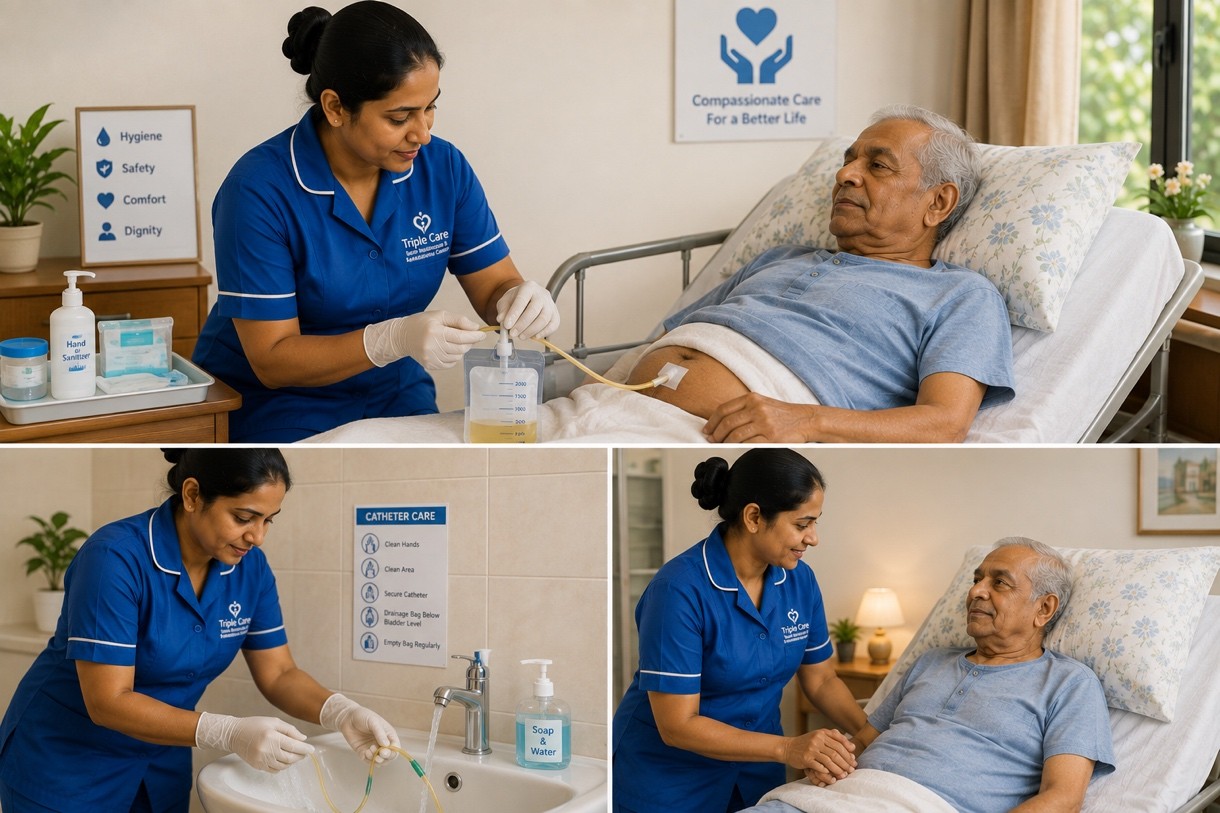
- Catheter care
- Physiotherapy
- Medical appointments
- Dementia support
- Night-time assistance
This can become difficult for a family to manage continuously at home.
A professional elderly care home in Sri Lanka can provide a structured residential environment where daily personal-care needs are supported and health concerns can be monitored and referred for appropriate medical attention when required.
If you are looking for an elderly care home in Kurunegala for a parent who has an existing wound, ask the care provider detailed questions before admission.
Useful questions include:
- Can you accommodate residents with existing wounds?
- Who monitors the wound?
- Can prescribed dressing routines be supported?
- How are bedridden residents repositioned?
- How is skin condition monitored?
- Is continence care available?
- How are medical reviews arranged?
- What happens if the wound becomes worse?
- Can external nursing or medical care be coordinated?
- Is physiotherapy available when appropriate?
- How are family members updated?
Families should provide medical reports, wound-care instructions, medication details, and other relevant information before admission.
Triple Care Senior Residence & Rehabilitation Center in Kurunegala, Sri Lanka provides residential care for elderly people with different levels of daily assistance requirements.
Relevant support includes:
- Nursing-attendant assistance
- Personal hygiene support
- Bathing assistance
- Continence care
- Assistance for bedridden residents
- Repositioning and mobility support
- Feeding assistance where required
- Support with prescribed medication routines
- Three main meals and two tea servings each day
- Laundry and ironing
- Weekly opportunities for medical review
- Access to external medical treatment when necessary
- Access to physiotherapy when required
- Support for residents recovering after surgery, illness, or stroke
- Coordination of additional care according to individual needs
Residents with existing wounds should have their condition and treatment requirements discussed with Triple Care before admission so that the appropriate level of support can be assessed.
Triple Care does not replace specialist medical or wound-care services. Wounds requiring clinical assessment, diagnosis, specialist dressings, antibiotics, debridement, vascular treatment, diabetic foot management, or other medical intervention should be managed by appropriately qualified healthcare professionals.
Professional medical advice should be sought when there is concern about a wound, particularly if there is:
- Increasing redness or swelling
- Increasing pain
- Pus or significant discharge
- Unpleasant smell
- Fever
- Black or dead-looking tissue
- Significant bleeding
- Rapid deterioration
- A deep wound
- A diabetic foot wound
- A wound associated with circulation problems
- A wound that is not improving
Sudden or severe symptoms may require urgent medical assessment.
Effective wound care for elderly patients in Sri Lanka involves more than changing a dressing.
Prevention, hygiene, nutrition, pressure relief, mobility, medical monitoring, and appropriate treatment all play important roles.
Families looking for elderly nursing care in Kurunegala, bedridden patient care, or residential support for an elderly parent with a wound should carefully discuss the person’s medical and daily-care requirements before choosing a facility.
Triple Care Senior Residence & Rehabilitation Center in Kurunegala provides professional residential elderly care and rehabilitation support for families who need additional assistance caring for elderly loved ones.
If your elderly mother, father, or loved one requires residential care while managing a wound, reduced mobility, or another health condition, contact Triple Care Senior Residence & Rehabilitation Center to discuss their individual care needs.
You can enquire about accommodation, elderly nursing assistance, bedridden patient care, personal care, meals, physiotherapy, rehabilitation, and available support or arrange a visit to the residence in Kurunegala.
Medical Disclaimer: This article provides general educational information and is not a substitute for medical diagnosis or treatment. Wounds should be assessed and treated according to advice from qualified healthcare professionals.
Wound care depends on the type, cause, location, and severity of the wound. General support includes keeping the area protected, following professional dressing instructions, maintaining hygiene and nutrition, reducing pressure where appropriate, and monitoring for changes.
Older people may have fragile skin, reduced mobility, diabetes, circulation problems, reduced sensation, or other health conditions that can increase the risk of skin damage or complicate wound healing.
Increasing redness, swelling, warmth, pain, discharge, unpleasant odour, fever, worsening tissue damage, or a wound becoming larger or deeper should receive appropriate medical attention.
Some care homes can provide daily assistance and help follow prescribed wound-care routines while coordinating professional healthcare when required. Families should confirm the facility’s capabilities before admission.
Residential elderly care providers may support daily hygiene, mobility, pressure relief, nutrition, medication routines, and coordination of medical care. Clinical wound treatment should be provided or directed by appropriately qualified healthcare professionals.