



Caring for an elderly person who is bedridden can be physically and emotionally demanding for a family. A parent or loved one may become confined to bed because of a stroke, serious illness, surgery, weakness, injury, neurological condition, advanced dementia, or reduced mobility.
Once a person spends most or all of the day in bed, their care needs often become much more complex. They may require help with bathing, toileting, eating, medication, changing position, skin care, wound care, mobility, and communication.
For families searching for bedridden patient care in Sri Lanka, elderly nursing care in Kurunegala, or a suitable care home for elderly parents, the goal should be to provide safe, dignified, consistent support while preventing avoidable complications.
Older adults who remain in one position for long periods can develop pressure sores, and regular movement or repositioning is an important part of pressure relief.
Triple Care Senior Residence & Rehabilitation Center in Kurunegala, Sri Lanka provides residential elderly care and daily assistance for people who may require significant support because of reduced mobility or being bedridden.
Why Do Elderly People Become Bedridden?
There are many reasons why an elderly person may become unable to get out of bed independently.
Common causes may include:
- Stroke
- Major surgery
- Severe weakness
- Advanced arthritis
- Hip or leg fractures
- Neurological conditions
- Dementia
- Serious infections or illness
- Paralysis
- Advanced chronic disease
- Recovery after hospitalisation
- Reduced mobility after a fall
Some people are temporarily bedridden during recovery, while others may need long-term assistance.
The level of care required should be based on the person’s health condition, mobility, communication ability, feeding needs, continence, skin condition, medications, and medical instructions.
What Does Good Bedridden Patient Care Involve?
Bedridden care is not simply about keeping a person comfortable in bed.
Good care involves protecting the person’s skin, maintaining hygiene, providing appropriate nutrition and hydration, supporting safe movement, monitoring health changes, and preserving dignity.
1. Regular Position Changes and Pressure Relief
One of the most important concerns for a bedridden elderly patient is prolonged pressure on the skin.
Sitting or lying in the same position for a long time can increase the risk of pressure sores, also called bed sores or pressure ulcers.
Areas commonly affected include:
- Heels
- Hips
- Lower back
- Tailbone area
- Elbows
- Shoulders
- Back of the head
Regular repositioning can help relieve pressure. The exact repositioning plan should be based on the patient’s condition and professional advice rather than following one rigid schedule for every person. NHS guidance also notes that regular movement and position changes are important for reducing pressure and helping prevent additional pressure ulcers.
Supportive mattresses, cushions, or pressure-relieving equipment may also be recommended for patients at higher risk.
2. Checking the Skin Every Day
Skin should be checked regularly, particularly over bony areas.
Caregivers should watch for:
- Redness
- Darkened or discoloured areas
- Swelling
- Blisters
- Broken skin
- Unusual warmth
- Pain
- Open wounds
Early skin changes should not be ignored.
The National Institute on Aging advises seeking medical advice when redness or sores appear, because early attention may help prevent more serious skin damage.
Complex wounds or suspected pressure sores should be assessed by an appropriate healthcare professional.
3. Personal Hygiene and Bathing
A bedridden patient may not be able to bathe independently.
Regular personal hygiene helps maintain comfort and dignity.
Care may include:
- Bed baths or assisted bathing
- Face and hand washing
- Oral hygiene
- Hair care
- Nail care
- Changing clothing
- Changing bed linen
- Continence care
- Cleaning the skin after toileting
Caregivers should clean and dry the skin gently, particularly around areas exposed to urine, stool, sweat, or moisture.
The person’s privacy should be respected throughout personal-care activities.
4. Toileting and Continence Care
Bedridden elderly people may require assistance with:
- Bedpans
- Urine bottles
- Diapers or continence products
- Catheters
- Bowel-care routines
Continence care should be handled carefully because prolonged moisture can contribute to skin irritation.
Diapers or soiled clothing should be changed appropriately, and the skin should be kept clean and dry.
If the person has a urinary catheter, catheter care should follow instructions from healthcare professionals.
5. Nutrition for Bedridden Elderly Patients
Good nutrition remains important even when a person has very limited mobility.
A bedridden elderly person may experience:
- Reduced appetite
- Weight loss
- Difficulty chewing
- Difficulty swallowing
- Weakness
- Difficulty feeding themselves
Meals should follow any dietary recommendations provided by the person’s healthcare team.
Depending on the person’s needs, they may require assistance with feeding.
Caregivers should pay attention to:
- Regular meal times
- Food preferences
- Balanced nutrition
- Protein intake according to dietary advice
- Weight changes
- Chewing problems
- Swallowing difficulties
Poor nutrition and immobility are among factors associated with pressure-ulcer risk, making nutrition an important part of the wider care plan.
6. Hydration
Some bedridden elderly patients do not drink enough fluid because they cannot reach water independently, have difficulty communicating thirst, or are reluctant to drink because of toileting difficulties.
Drinking water should generally be accessible and offered regularly where appropriate.
However, some people with kidney disease, heart conditions, or other medical problems may have specific fluid restrictions.
Any medical instructions regarding fluid intake should therefore be followed.
7. Safe Feeding and Swallowing
Some bedridden patients, particularly after a stroke or with neurological conditions or advanced dementia, may have swallowing difficulties.
Signs that should be discussed with healthcare professionals may include:
- Coughing during meals
- Choking
- Difficulty swallowing
- Food remaining in the mouth
- Frequent chest infections
- Significant changes in eating ability
Families should not independently change food texture or feeding methods when significant swallowing difficulties exist without appropriate professional advice.
Some patients may have feeding tubes or other special nutritional requirements that need trained care.
8. Mobility and Gentle Movement
Being bedridden does not always mean that all movement should stop.
Depending on the patient’s condition, doctors or physiotherapists may recommend passive or assisted movements, positioning, or exercises.
WHO guidance on older people with poor mobility includes attention to appropriate movement and pressure-ulcer prevention.
Appropriate movement may help support:
- Joint mobility
- Comfort
- Circulation
- Muscle function
- Position changes
- Transfers
However, caregivers should not attempt exercises or transfers that are unsafe for the patient’s condition.
Physiotherapy for Bedridden Elderly Patients
Some patients may benefit from physiotherapy.
A physiotherapist can assess the person’s abilities and determine what movement is appropriate.
Depending on the individual, this may involve:
- Passive limb movements
- Assisted exercises
- Sitting balance
- Bed mobility
- Transfer training
- Gradual standing
- Walking practice when appropriate
Families searching for elderly physiotherapy services or a rehabilitation center in Kurunegala should provide complete medical and mobility information before therapy begins.
9. Safe Lifting and Transfers
Moving a bedridden person incorrectly can injure both the patient and caregiver.
Transfers may include:
- Turning in bed
- Moving higher in the bed
- Bed-to-chair transfers
- Wheelchair transfers
- Bathroom transfers
When appropriate, professional caregivers may use transfer techniques or assistive equipment designed to reduce unnecessary friction and strain.
WHO guidance also highlights careful use of transfer aids to reduce friction in people with compromised mobility and pressure-ulcer risk.
Families caring for someone at home should seek professional advice if they are unsure how to move the person safely.
10. Medication Support
Bedridden elderly patients often have several medical conditions and may use multiple medications.
Caregivers can assist by:
- Following prescribed medication schedules
- Keeping medication records
- Reminding or assisting according to instructions
- Reporting concerns
- Helping coordinate medical reviews
Medication doses or schedules should never be changed without suitable medical advice.
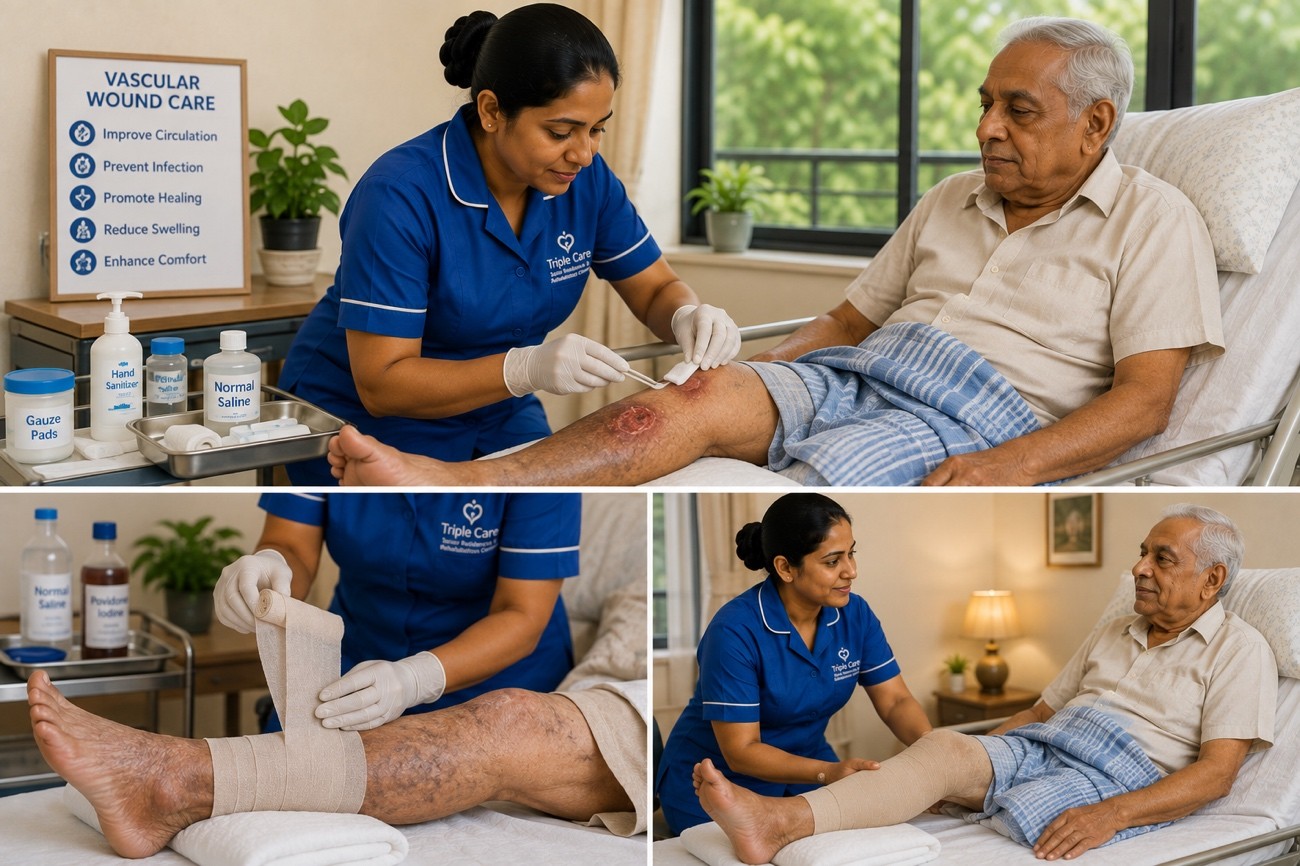
11. Wound and Bed Sore Care
A bedridden patient may already have a wound or pressure sore.
Pressure ulcers can range from changes in skin colour to deeper wounds requiring professional treatment. Treatment depends on severity and may involve pressure relief, specialised mattresses or cushions, dressings, cleaning, or other medical measures.
Families should seek professional assessment for:
- Open wounds
- Wounds with discharge
- Increasing redness
- Swelling
- Bad odour
- Increasing pain
- Fever
- Wounds that are worsening
Do not apply unprescribed treatments to significant wounds.
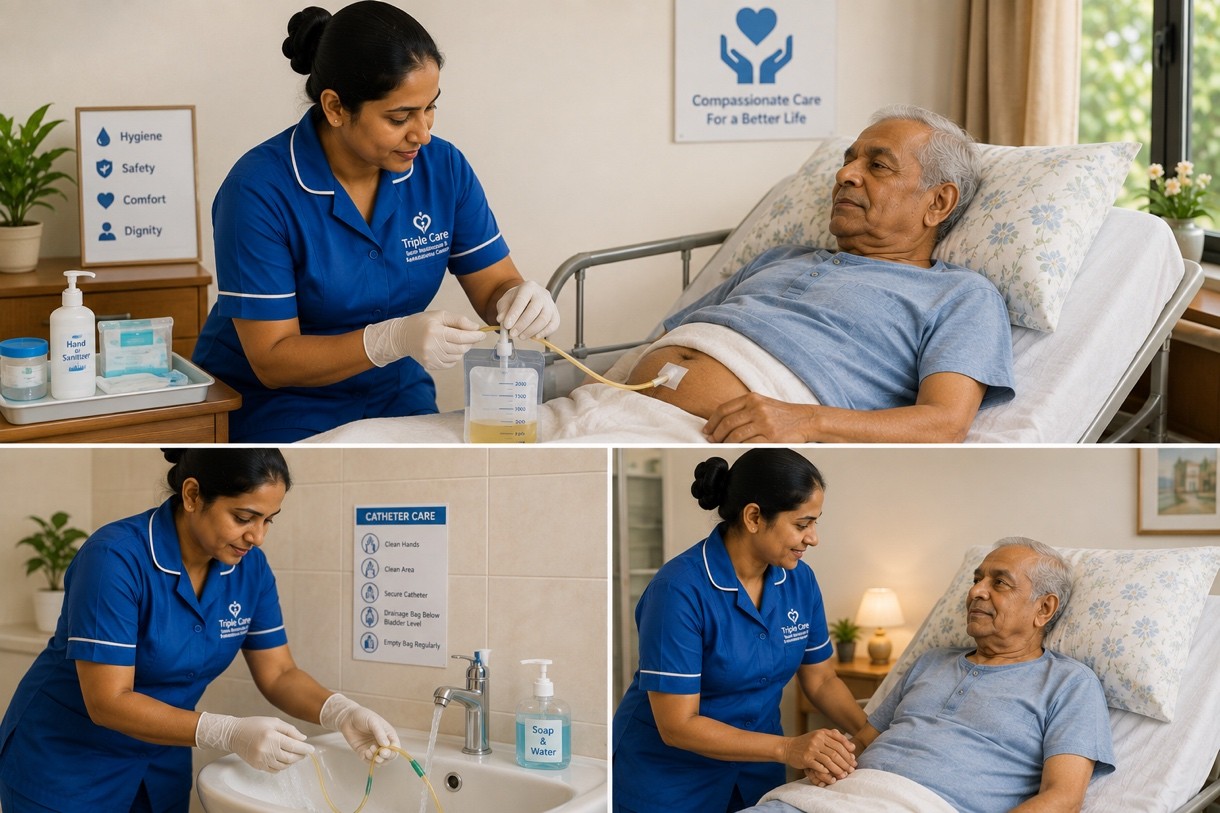
12. Catheter Care
Some bedridden elderly residents may use urinary catheters.
Daily catheter support may involve:
- Maintaining cleanliness
- Preventing unnecessary pulling
- Keeping the drainage system positioned appropriately
- Monitoring urine changes
- Following professional catheter-care instructions
Concerns such as fever, new pain, blood in urine, reduced urine output, or other significant changes should receive appropriate medical attention.
13. Emotional and Social Support
A bedridden person may feel isolated, frustrated, dependent, or lonely.
Physical care alone is not enough.
Simple forms of engagement can make everyday life more meaningful:
- Regular conversation
- Family visits
- Listening to music
- Watching familiar television programmes
- Looking at family photographs
- Reading
- Religious or spiritual activities according to preference
- Spending time outdoors or near a window when safely possible
Care should continue to recognise the person as an individual rather than focusing only on their physical limitations.
Bedridden Care for Elderly People with Dementia
Dementia can make bedridden care more challenging.
The person may:
- Resist personal care
- Forget why they cannot walk independently
- Have difficulty describing pain
- Become frightened during repositioning
- Refuse food
- Have difficulty understanding caregivers
Calm communication, familiar routines, patience, and consistent caregivers can be helpful.
Families looking for dementia care in Kurunegala together with bedridden care should discuss both requirements before choosing a residence.
Bedridden Care After a Stroke
Stroke is one reason some elderly people become temporarily or permanently bedridden.
Their needs may include:
- Positioning
- Physiotherapy
- Feeding assistance
- Speech or communication support
- Personal care
- Medication support
- Continence care
- Skin monitoring
Stroke rehabilitation for elderly patients should follow the patient’s medical and rehabilitation plan.
Some people gradually regain mobility, while others may continue to need substantial assistance.
How Professional Elderly Care Can Help Families
Providing 24-hour support for a bedridden elderly parent can be extremely demanding.
Family caregivers may need to manage:
- Repositioning
- Bathing
- Toileting
- Meals
- Medication
- Feeding
- Wound care
- Catheter care
- Laundry
- Bed linen
- Medical appointments
- Physiotherapy
- Night-time supervision
Professional elderly nursing care in Sri Lanka can provide a structured environment where these daily responsibilities are shared with caregivers.
This can be particularly useful when the elderly person requires assistance throughout the day and night.
When to Consider Residential Care for a Bedridden Parent
Families may consider an elderly care home in Sri Lanka when:
- The elderly person requires continuous assistance
- Family caregivers cannot safely lift or reposition them
- Frequent nursing support is needed
- Wounds or bed sores require monitoring
- The person needs catheter or continence care
- Feeding assistance is required
- The patient has dementia
- Family members live far away
- Home care has become difficult to manage safely
A care home for elderly parents should be selected according to the person’s individual needs rather than convenience alone.
Choosing an Elderly Care Home for a Bedridden Patient
When searching for an elderly care home in Kurunegala, ask specific questions about bedridden residents.
Consider:
- Is appropriate caregiver assistance available?
- How is personal hygiene managed?
- How are residents repositioned?
- How is skin condition monitored?
- Can wound care be coordinated?
- Is catheter care support available?
- Is feeding assistance available?
- What happens if the resident becomes unwell?
- Can medical reviews be arranged?
- Is physiotherapy available?
- How are families updated?
- Are appropriate beds or pressure-relieving equipment available when required?
Visit the facility where possible and discuss the person’s needs in detail before admission.
Bedridden Patient Care at Triple Care Senior Residence & Rehabilitation Center
Triple Care Senior Residence & Rehabilitation Center in Kurunegala, Sri Lanka provides residential elderly care for residents with different levels of mobility and daily assistance requirements.
Relevant services include:
- Shared, single, and air-conditioned room options
- Three main meals and two tea servings each day
- Nursing attendants available to assist residents
- Personal hygiene and bathing assistance
- Feeding assistance where required
- Mobility and repositioning assistance
- Continence and daily personal-care support
- Support with prescribed medication routines
- Laundry and ironing
- Weekly opportunities for medical review
- Access to external medical treatment when required
- Access to physiotherapy when required
- Support for residents following stroke, illness, or surgery
- Additional care based on individual requirements
Families should provide complete medical information before admission, including the resident’s mobility, feeding ability, wounds, medications, catheter requirements, continence needs, dementia status, and hospital or medical instructions.
Long-Term and Short-Term Bedridden Care in Sri Lanka
Some elderly people become bedridden temporarily following surgery, illness, or stroke.
For these patients, short-term elderly care in Sri Lanka may support recovery until they are able to return home safely.
Other residents may need long-term elderly care in Sri Lanka because of permanent mobility limitations or progressive illness.
The care arrangement should be reviewed according to the person’s condition and changing needs.
Finding Bedridden Patient Care in Kurunegala, Sri Lanka
Caring for a bedridden elderly person requires consistency, patience, appropriate hygiene, skin protection, nutrition, safe movement, emotional support, and access to healthcare.
For families who cannot safely provide this level of support at home, professional bedridden patient care in Sri Lanka can provide a structured alternative.
Families looking for elderly care in Kurunegala should carefully evaluate caregiver support, hygiene, wound and skin monitoring, feeding assistance, mobility support, nursing assistance, and healthcare access.
Triple Care Senior Residence & Rehabilitation Center in Kurunegala provides residential elderly care and rehabilitation support for families seeking professional assistance for elderly people with limited mobility or bedridden care needs.
Contact Triple Care
If your mother, father, or another elderly loved one is bedridden and requires additional daily assistance, contact Triple Care Senior Residence & Rehabilitation Center to discuss their individual needs.
Families are welcome to enquire about accommodation, nursing assistance, bedridden care, meals, personal care, physiotherapy, rehabilitation, and other available services or arrange a visit to the residence in Kurunegala.
Important: This article provides general educational information only. Wounds, pressure sores, swallowing difficulties, catheter problems, sudden health changes, rehabilitation plans, or other medical concerns should be assessed by qualified healthcare professionals.
Frequently Asked Questions
1. How do you care for a bedridden elderly person?
Care commonly includes regular position changes, skin checks, personal hygiene, meals and hydration, medication support, toileting or continence care, appropriate movement, and monitoring for changes in health. Individual care should follow professional medical advice.
2. How can bed sores be prevented in a bedridden patient?
Reducing prolonged pressure is important. Regular position changes, skin monitoring, appropriate support surfaces, good hygiene, and attention to nutrition can form part of a pressure-sore prevention plan.
3. Can a bedridden elderly person stay in a care home?
Yes, if the residence can safely support the person’s individual care requirements. Families should discuss mobility, feeding, wounds, continence, catheters, medications, dementia, and medical conditions before admission.
4. Is physiotherapy useful for bedridden elderly patients?
Some bedridden patients may benefit from passive or assisted movements, mobility work, or rehabilitation depending on their condition. A qualified physiotherapist or healthcare professional should determine what is safe and appropriate.
5. What bedridden elderly care services are available in Kurunegala?
Depending on the care provider, services may include residential accommodation, personal hygiene assistance, feeding support, nursing assistance, medication support, mobility and repositioning, physiotherapy access, continence care, and medical coordination.